Insulated Roof Panel Manufacturers in Australia: What to Look for in 2026
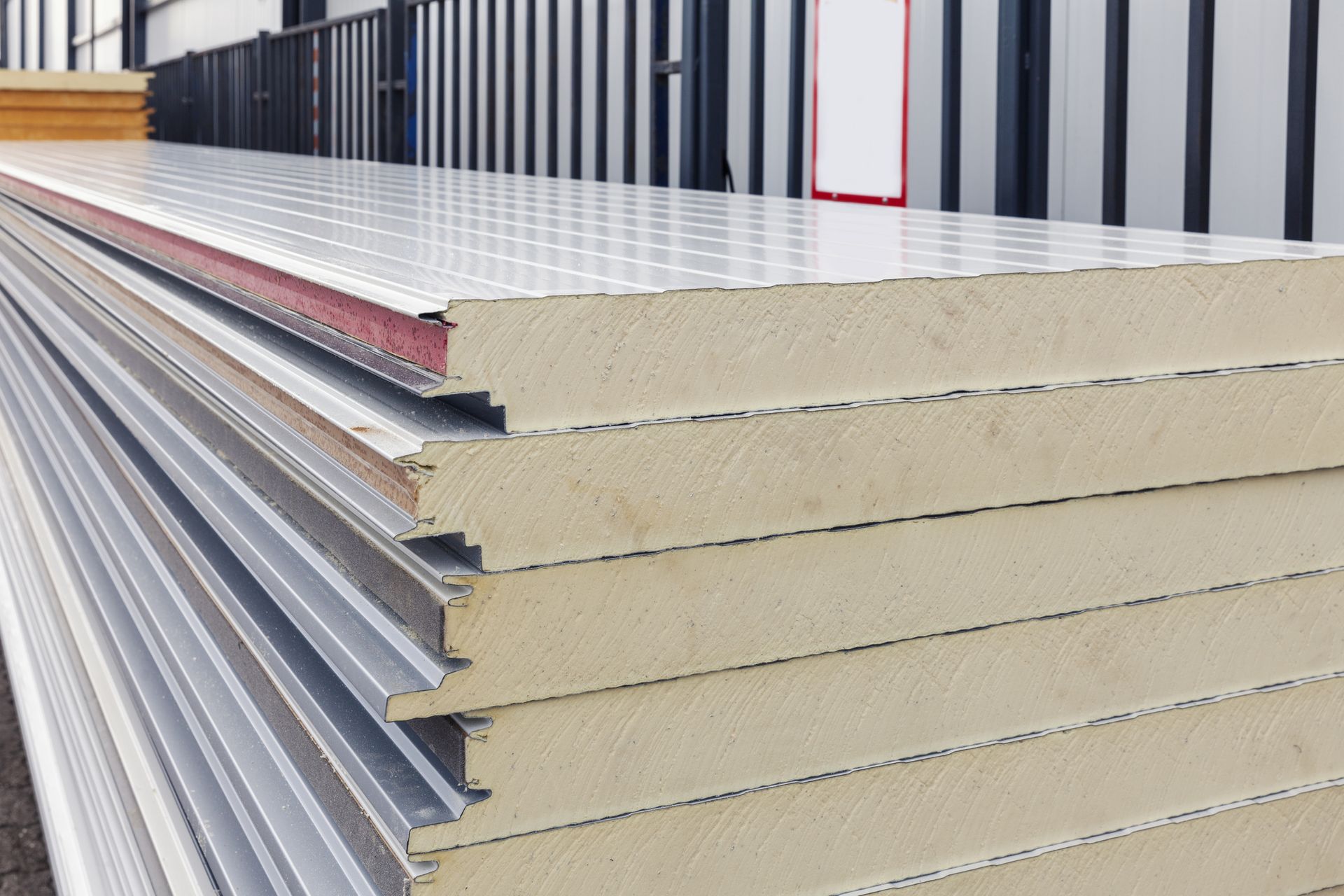
Choosing the right insulated roof panel manufacturer can have a lasting impact on build quality, energy efficiency, and code compliance for any commercial or industrial project in Queensland. With the market growing across Australia, buyers in and around Brisbane are now weighing up more technical factors than ever before. This guide covers what to look for in 2026, from core materials and thermal ratings to local manufacturing advantages and certification requirements.
What Core Materials Should You Expect from Quality Insulated Roof Panel Manufacturers?
The core material inside a panel determines most of its performance. Reputable insulated roof panel manufacturers typically offer two core options: EPS-FR (expanded polystyrene with fire-retardant additives) and PIR (polyisocyanurate).
EPS is the most cost-effective option but delivers a lower R-value per thickness. PIR features improved cross-linking in its polymer structure, resulting in better fire resistance and higher R-values per millimetre. For commercial projects in Brisbane, where summer heat loads are significant, the core choice directly affects your refrigeration or HVAC running costs for years. PIR is a strong candidate when NCC fire compliance is a consideration.
Always ask a manufacturer how the core is bonded, not just what material is used. Lower-density EPS is sometimes simply glued to outer layers, which can leave gaps that reduce thermal efficiency and structural strength.
Why Do Certifications and Ratings Matter When Evaluating Manufacturers?
Certifications are a baseline measure of product integrity for the Australian market. Understanding which approvals to request can save significant time and cost during building certification.
CodeMark Certification confirms a product has been assessed as compliant with the National Construction Code (NCC). CodeMark certified panels are accepted by building certifiers across Australia. Ask for the certificate number and verify it is current.
BAL Ratings matter for Queensland projects, particularly in outer suburbs and peri-urban growth corridors around Brisbane. Panels with a fire-retardant PIR core can be suitable for BAL 40 bushfire-prone areas and may achieve Group 1-2 fire classification. If your site carries a BAL rating, confirm the panel's specific certified BAL level before ordering.
R-Values and NCC Section J prescribe minimum thermal performance benchmarks across all Australian climate zones. Brisbane sits in Climate Zone 2, which has specific minimum R-value requirements for roofing assemblies. A reliable manufacturer will provide documented R-values by panel thickness and demonstrate how their product meets Section J for your climate zone.
Key Questions to Ask Any Insulated Roof Panel Manufacturer
Before committing to a supplier, these questions can help separate genuine manufacturers from resellers with limited quality control.
- Do you manufacture on-site or source panels from overseas?
- Can you provide CodeMark certification for the specific panel system required?
- What is the declared R-value at each thickness, and how was it tested?
- Does your product carry a current BAL rating relevant to South East Queensland?
- What warranty applies to panel delamination or thermal performance?
- Can panels be fabricated to custom lengths on your own equipment?
Manufacturers who control every component from core material to fixings can verify quality at each stage and provide documentation that supports building certification.
Why Local QLD Manufacture Matters for Brisbane Projects
Sourcing from insulated roof panel manufacturers that fabricate in Queensland offers practical advantages that are easy to overlook until a project is running late.
Custom lengths cut locally reduce transport damage risk and lead times. Panels can be manufactured to exact specifications without the extended lead times associated with interstate or imported supply. Local manufacturers are also more likely to hold IPCA membership and be familiar with Queensland-specific council requirements, DPI approvals, and the building regulations that apply to food-industry and cold-storage builds across South East Queensland.
What Is the Difference Between EPS-FR and PIR Panels?
EPS-FR panels use expanded polystyrene with fire-retardant additives. They are cost-effective and widely used in cold storage and commercial builds. PIR panels deliver higher R-values per millimetre and improved fire resistance. For projects with BAL ratings or strict NCC Section J requirements, PIR is often the more appropriate specification.
What Does CodeMark Mean for an Insulated Roof Panel?
CodeMark is a product certification scheme recognised under the NCC. A CodeMark certificate indicates the panel system has been independently assessed and found to comply with the relevant NCC provisions, which can streamline the approval process with building certifiers.
How Do I Choose the Right Panel Thickness for Brisbane's Climate?
Brisbane falls within Climate Zone 2, characterised by hot, humid summers and mild winters. NCC Section J prescribes minimum total R-values for roofing assemblies in each zone. A qualified manufacturer or thermal performance assessor can recommend the appropriate panel thickness based on your building class, occupancy, and any refrigeration setpoints involved.
Can Insulated Roof Panels Be Used in Food Industry Builds?
Yes. Insulated roof panels are widely used in food processing, cold storage, and temperature-controlled facilities. For food-industry applications, look for manufacturers with HACCP and DPI approvals, hygiene-grade liners, and panel systems designed to eliminate gaps where bacteria could accumulate.
What Should I Look for in a Manufacturer's Warranty?
A credible manufacturer should offer a written warranty covering panel delamination, thermal performance retention, and steel coating longevity. Confirm whether it covers labour as well as materials, and check whether specific installation methods or environmental conditions void the warranty.
Choose a Manufacturer That Understands Your Project
Finding the right insulated roof panel manufacturers in 2026 comes down to three things: verified certifications, transparent technical documentation, and the capability to fabricate panels that genuinely suit your project's location, building class, and performance requirements.
Astra Panels is a Queensland-based, Australian-owned insulated panel manufacturer serving Brisbane and beyond, with a track record in commercial, industrial, food, and cold-storage applications dating back to 1956. They are members of the Insulated Panel Council of Australasia (IPCA) and were among the original licensees to manufacture Expanded Polystyrene (EPS) in Australia, with their trademarked "Cell-O-Lite" EPS insulation remaining one of the most used and economical choices in the market.
To discuss your next project or request a quote, visit the insulation page or contact the team directly on 07 3277 2366.