EPS vs PIR Panels: Which Is Right for Your Custom Panel Fabrication Project in Brisbane?
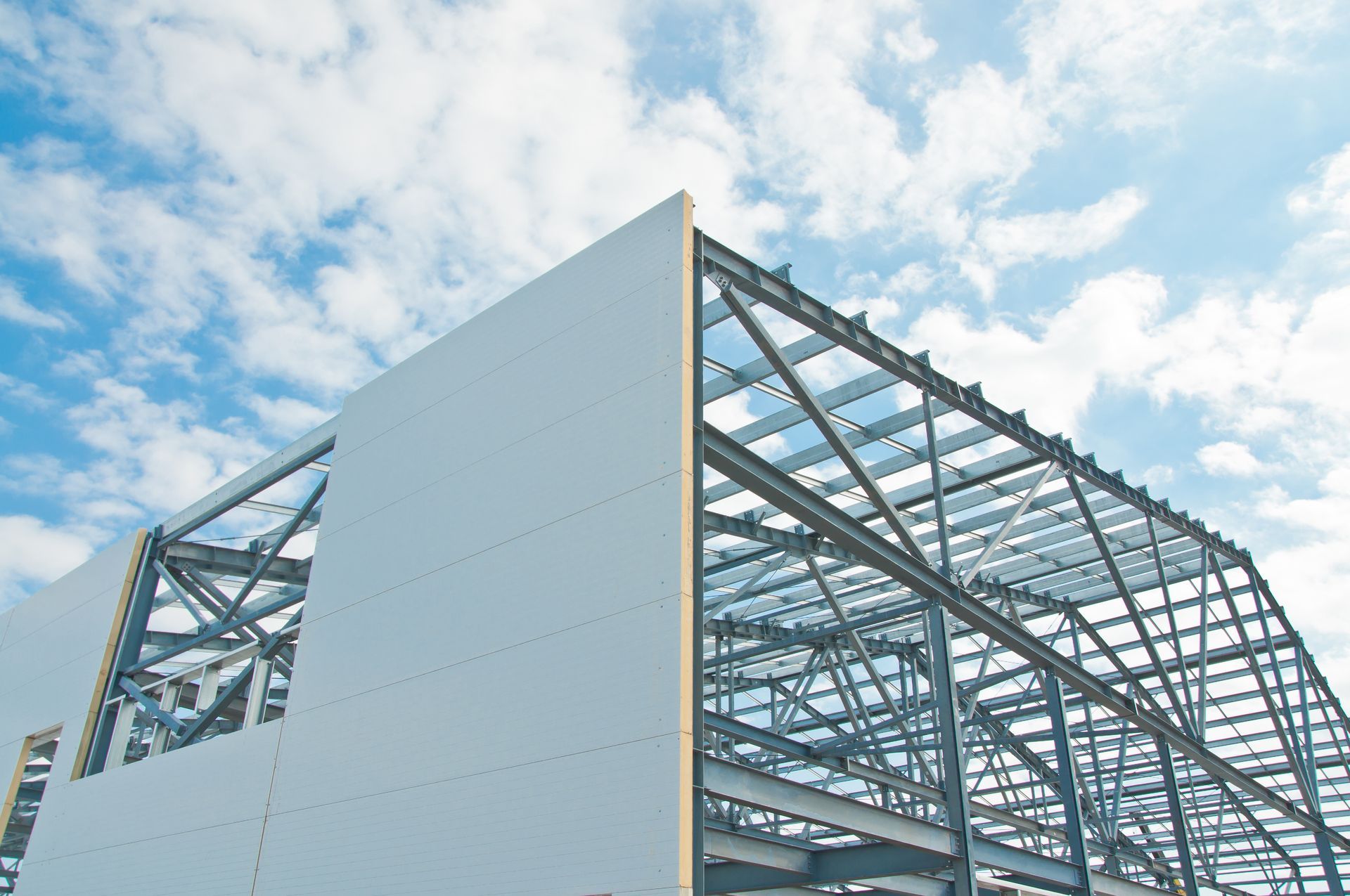
Choosing the right panel material is one of the most important decisions a Brisbane business owner can make. Custom panel fabrication in Brisbane, QLD, starts with understanding what sits inside your walls. EPS (Expanded Polystyrene) and PIR (Polyisocyanurate) are the two most common insulation core materials used in cold room panels. They look similar from the outside but perform very differently when it comes to temperature control, fire safety, and long-term running costs.
What Is EPS and Where Does It Work Best?
EPS is a budget-friendly insulation option suited to cold rooms operating above freezing temperatures. Made from expanded polystyrene beads, EPS panels are lightweight and easy to handle, making them practical for projects where installation speed matters and temperature targets are not extreme.
EPS panels offer solid thermal performance for chill rooms holding products above 0°C, such as fresh produce, beverages, or dairy. They also carry a good strength-to-weight ratio, which reduces structural load on the building.
The main limitations are thermal efficiency and fire behavior. EPS has a lower R-value per unit of thickness than PIR, meaning you need a thicker panel for the same insulation result. EPS also carries higher flammability risk, though fire-retardant grades (EPS-FR) are widely available.
When Should You Consider EPS for a Cold Room?
EPS may suit your project if your cold room targets temperatures above 0°C, budget is a priority, and your site has no strict fire rating requirements. It can also work for smaller walk-in chillers or short-term storage applications. Discussing EPS suitability with a custom panel fabrication specialist in Brisbane early in planning helps avoid costly specification changes later.
What Makes PIR Panels a Premium Choice?
PIR panels deliver higher thermal resistance and better fire performance than EPS at the same panel thickness. PIR's closed-cell structure resists moisture absorption, holds its shape over time, and provides a superior R-value per inch. For cold rooms maintaining consistent sub-zero temperatures, PIR is often the recommended core material, and many Brisbane custom panel fabrication projects specify it for exactly this reason.
Fire resistance is another major advantage. PIR ignites less easily than EPS and produces fewer harmful emissions if exposed to heat, making it a preferred choice in commercial food processing facilities, pharmaceutical cold stores, and any site where compliance with the National Construction Code (NCC) is a key specification.
PIR panels are also slimmer for an equivalent R-value, meaning you gain usable internal floor space without sacrificing insulation performance.
Is PIR Worth the Extra Investment in Brisbane?
For many Brisbane cold room applications, PIR justifies its higher upfront cost. Brisbane sits in NCC Climate Zone 2, where summer temperatures regularly reach 35°C or higher and humidity above 70% is common from November through March. A panel with better thermal resistance means the refrigeration unit works less hard, and energy savings can offset the initial cost difference over time.
Moisture is also a real concern in Southeast Queensland. EPS panels can absorb moisture over time in high-humidity or freezer applications, gradually reducing insulation value and increasing running costs. PIR's closed-cell structure resists moisture ingress more effectively, making it a more durable long-term option in Queensland's climate.
Choosing the Right Panel for Your Queensland Cold Room Project
The right panel depends on what you are storing, how cold your room needs to be, and how your site is classified under the NCC. For a basic chill room in a small restaurant or retail space, EPS may perform well and keep project costs manageable. For a commercial freezer running at -18°C or colder, or any application where fire compliance is specified, PIR is generally the more reliable and code-appropriate choice.
Brisbane's subtropical heat and humidity add an extra layer of consideration. The temperature differential between a hot Queensland summer exterior and a sub-zero freezer interior places real strain on panel joints and insulation cores. Panels specified correctly for Queensland conditions will hold their performance longer and keep your refrigeration system running efficiently through summer.
Talking to an experienced custom panel fabrication provider early in your project helps you match the right core material to your actual operating requirements, including panel thickness, joining systems, and door specifications.
Talk to a Custom Panel Specialist Serving Brisbane
Getting your panel selection right from the start can save significant cost over the life of your cold room. Astra Panels, serving Brisbane, QLD, has supplied and fabricated insulated panels for cold rooms, freezers, and controlled temperature structures across a wide range of commercial and industrial applications. Visit the panels page to explore insulated panel options, or reach out via the contact page to speak with the sales team directly. Call 07 3277 2366 to get started.
What Is the Difference Between EPS and PIR Panels?
EPS (Expanded Polystyrene) and PIR (Polyisocyanurate) are both rigid foam insulation cores used in cold room panels. EPS is lightweight and cost-effective but has a lower R-value and higher flammability. PIR offers higher thermal resistance per unit of thickness and better fire performance, making it suited to sub-zero and fire-rated applications. Understanding this difference is central to any custom panel fabrication decision in Brisbane, QLD.
Which Panel Is Better for a Freezer Room in Brisbane?
PIR panels are generally preferred for freezer rooms operating at or below -18°C. Brisbane's heat and humidity increase the temperature differential between the freezer interior and exterior, placing greater demand on insulation. PIR's higher R-value and moisture-resistant closed-cell structure help maintain performance in Queensland conditions over the long term.
Are EPS Panels Safe for Commercial Cold Rooms?
EPS panels can be used safely in commercial cold rooms when fire-retardant grades (EPS-FR) are specified and installation follows NCC-compliant details. They are best suited to chill rooms operating above 0°C rather than deep freezer applications, where moisture absorption and insulation degradation over time can become a concern.